


Is your little one gearing up for their first game? Our kids’ football boots fitting guide has everything you need to know.
The right pair of boots is essential. Not only for comfort and confidence, but safety as well.
It might seem straightforward. If they fit then they’re good, right? But there’s a few things to look out for to make sure your kiddo gets the right boots for their needs.
Firstly, ill-fitting or incorrect boots can be a cause for injury. If the boot soleplate doesn’t match the surface, then they could be at risk of slipping.
They also need to fit right. Too tight and they could be restrictive. Too loose, they might blister.
The right pair are going to feel great and give your kid the best possible start to their football-obsessed future.
Kit them out
Before we get into boots, let’s look at everything else they’re going to need.
Let’s start with a kit. Light and breathable, it should feature a shirt and shorts, with some knee-length socks.
Knee-length is crucial for the next item they’ll need – shin guards. Essential for their safety, shin pads will keep them protected from kicks and scrapes they’ll likely get on the pitch.
The socks should fully cover the shin guard to keep them secure. The fit should be snug but not too tight and if they come with an ankle strap for extra support, even better.
Finally, a comfortable pair of football boots. Remember that football socks can be thicker than regular socks, so make sure this is accounted for when checking their size.
For ease, here’s a list of everything they’ll need for comfort and safety on the pitch:
Full kit (shirt, shorts, socks)
Shin guards
Boots
Water bottle
Healthy snack
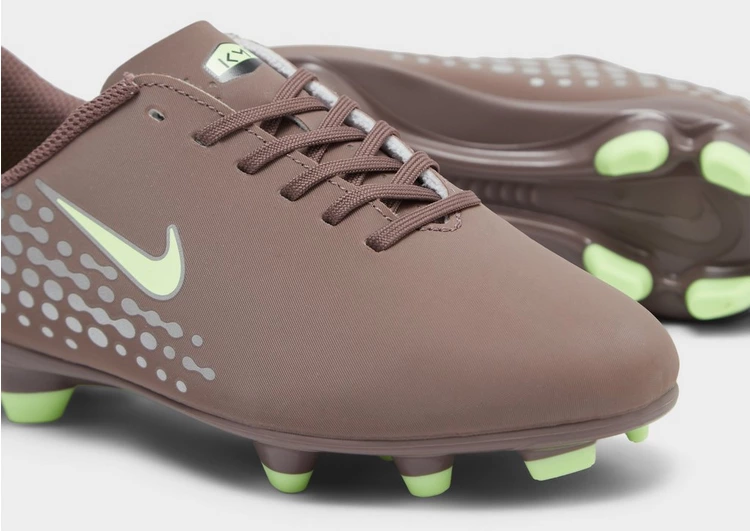
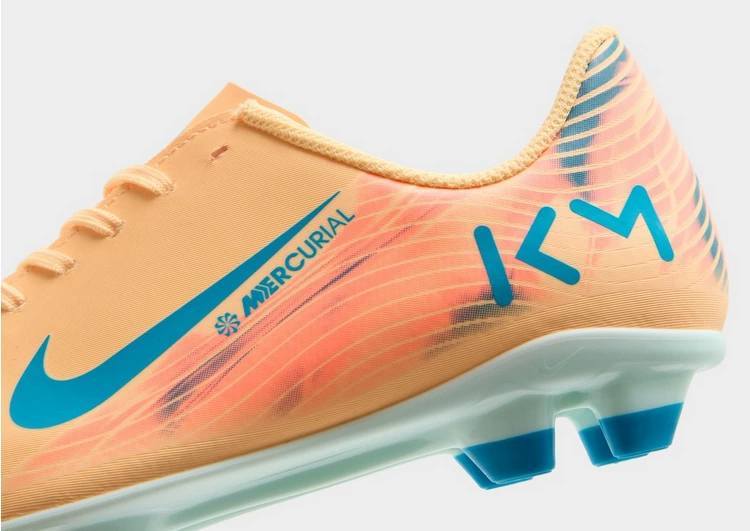
Measuring and sizing kids’ football boots
The most important thing to get right when picking your child’s boots is the size. After all, the fit must be right.
If it isn’t, they can cause discomfort, rubbing and even blistering.
There are some simple steps you can take to ensure your kid’s boots fit just right.
When measuring their feet, do it in the evening when they’re largest and with match socks for best accuracy.
Allow for 3-5mm of room in the toe. Too much and their foot could slip around, causing rubbing and blistering. Less and you risk high compression, potentially restricting blood flow.
Some easy methods to measure feet include drawing around them with tracing paper or heading to your local store and using a Brannock device.
Once you’ve got the measurements, use our JD Sports Kids Size Guide to find the right size boots.
You can find the full guide here:
Matching football boots to playing surfaces
There are commonly four types of playing surface that your child could play on. It’s important that they have the right boots with the correct soleplate for the pitch they’re using.
The pitch types are natural grass, artificial/hybrid, turf and indoor.
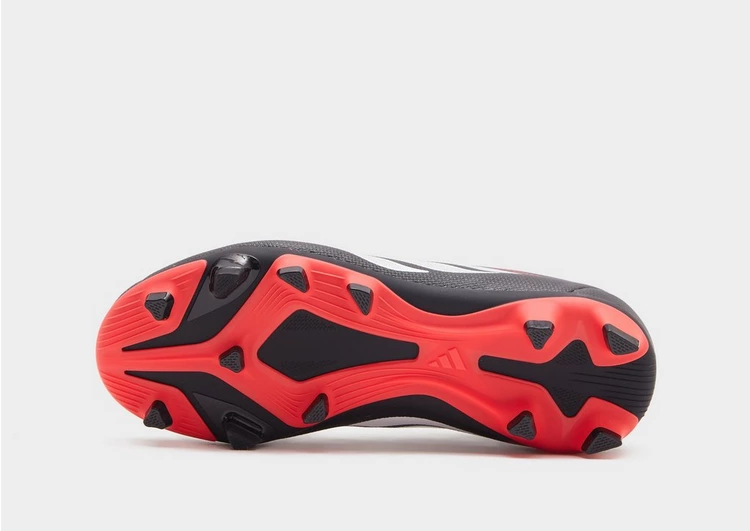
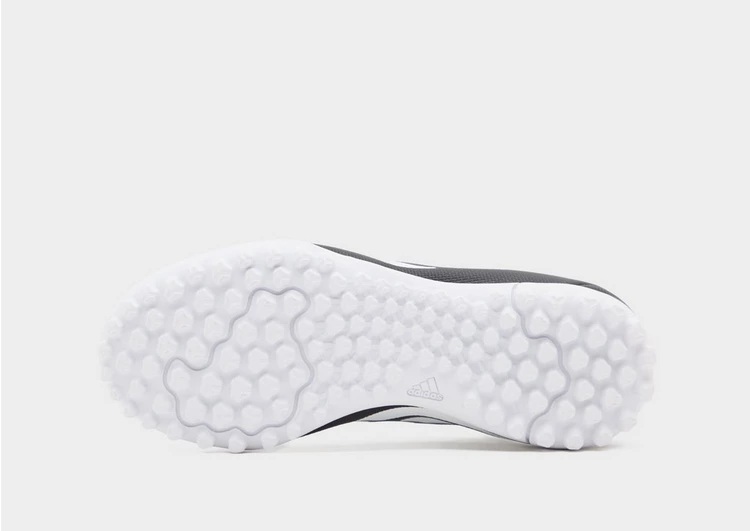
Each pitch requires a specific soleplate. It is essential that you get the correct studs to match the surface for greater traction.
The soleplate types are Firm Ground (FG), Artificial (AG) or Multiground (MG), Turf (TF) and Indoor (IC).
When shopping for boots, you will find the initial after each boot name to indicate the surface they should be used on. Use this table as a guide:
| Playing surface | Soleplate type | Best use |
| Natural grass | Firm Ground (FG) | Outdoor grass pitches |
| Artificial/Hybrid | Artificial Ground (AG)/Multiground (MG) | Synthetic or hybrid surfaces |
| Turf | Turf (TF) | Short synthetic turf pitches |
| Indoor | Indoor (IC) | Indoor courts or hard floors |
Some leagues may restrict certain stud types, so make sure to check with your local league before buying.
Key features to look for in kids’ football boots
It’s not just all about how they look. Most boots offer real functional benefits that can really help with comfort and safety.
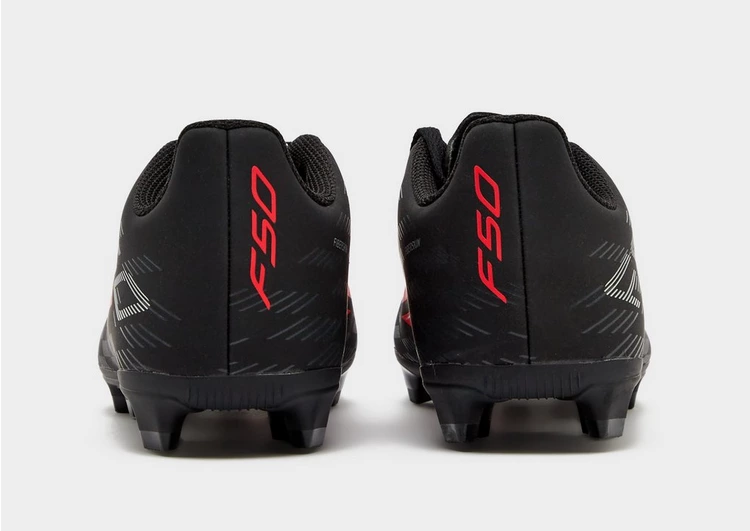
For example, a firm heel counter and padded collar is going to lock down the heel and keep the fit snug to avoid foot slippage and blistering. A strong and stable plate under the foot is going help with balance, sprinting and agility. Finally, a durable, reinforced upper is going to protect the foot during high-impact games.
There are also multiple boot models to choose from, typically ranging from Elite and Pro to Academy and Club.
Elite and Pro models are designed for more advanced players. They usually prioritise lightweight materials over protection and come at a higher cost.
For kids, especially those starting out, Academy and Club models are going to offer greater durability, comfort, support and value for money.
You should also keep in mind that kids’ boots are designed for narrower heels and quicker foot development, which means updated sizing and shape priorities versus adult boots.
In summary, here are the features to look out for:
Firm heel counter
Stable plate and stud configuration
Durable, protective upper
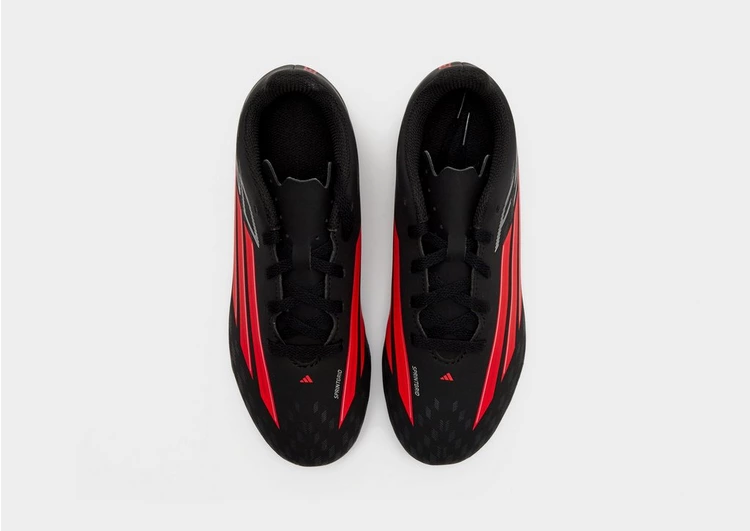
Secure and adjustable lacing
Padded collar
Materials and construction of kids’ football boots
Understanding the material that boots are made of can help determine what boot is best for your kid.
You’ll find most boots have either a synthetic upper or leather upper. Synthetic boots are durable, easy to clean and best used on muddy pitches. Synthetic football boots for kids may also benefit faster growth.
Leather boots typically provide greater comfort and a better feel once worn-in but are not as durable and tougher to clean.
For kids and young starters, a synthetic boot will generally suit their needs more. They’re going to be more affordable, weather-resistant, easier to clean and durable.
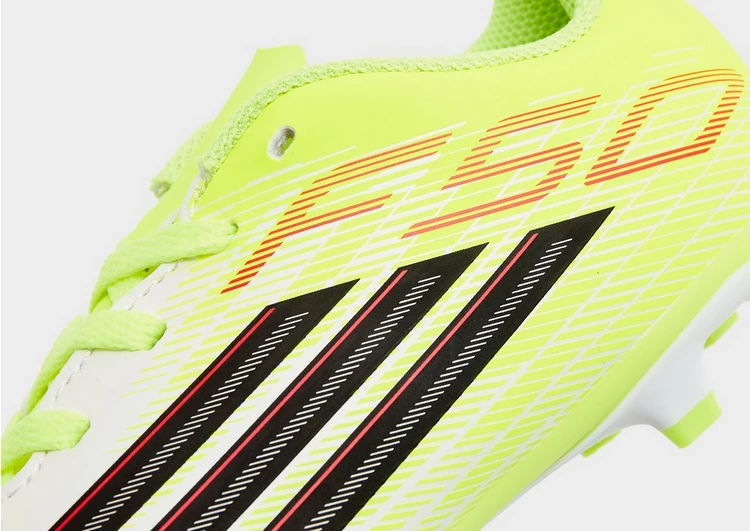
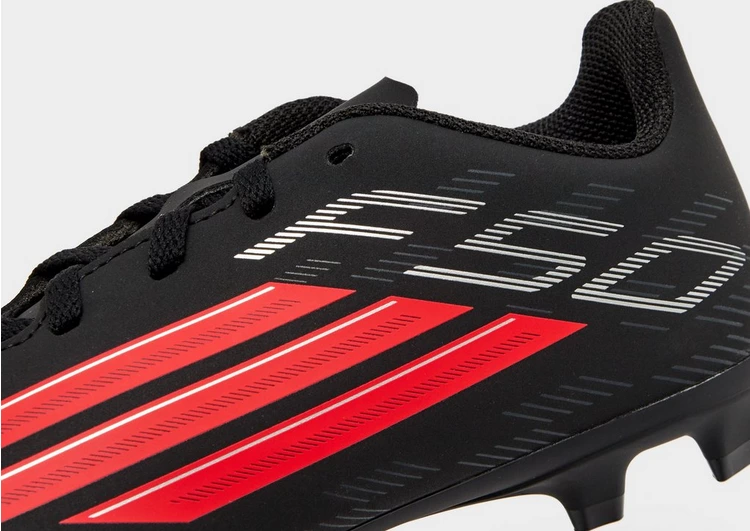
Before buying, a quick scan of the boot construction can help you figure out the quality. Check the stitching and glue to see if it is to a high standard. Have a look at the seams to see if they are uneven. Is there bubbling that could indicate poor quality?
Practical tips for trying and fitting kids’ football boots
Checking the fit and comfort of your kid’s boots isn’t overly complicated, but here are some simple steps to follow to make sure you cover all bases:
Measure the foot in the evening with football socks on for best accuracy. Use either a measuring tape or trace around the foot with paper and a pencil.
Once you’ve found their size, try on both boots, checking for heel slip and a comfortable flex-point at the ball of their foot – not the arch. There should be 3-5mm of toe wiggle room.
Have them walk and then lightly sprint to test stability, comfort and support.
Reminder: boots should not be overly tight. Well-fitted boots will feel snug but not painful or restrictive.
Retailers regularly offer free boot fittings, too. If you can get to one, this can be useful for finding the right size and fit.
Enhancing comfort and performance with insoles and lacing
You’ve got the boots and they fit like a dream. Your little one is buzzing for the weekend. Saturday morning can’t come quick enough.
Things don’t stop there, though. There are still some small tweaks and minor adjustments you can make to ensure maximum comfort for matchday:
Swap out the insoles. The boots will come with regular stock insoles, which are fine, but they can be swapped out for affordable, performance-focused ones that offer better arch support.
The runner’s loop. This is a lacing technique that aims to lock down the heel and reduce foot slip (see instructions below).
The Hot Water Trick. A bit of an old-school one, but it still works for a quicker break-in. Fill the boots with lukewarm (not hot) water. Leave them for a few minutes, then empty and have your child put them on with a pair of football socks. As they walk around, the softened material will conform to the shape of their foot.
Grip socks. Great for reducing slippage, grip socks have rubber or silicone nubs to the sole to stop their foot sliding. Can be worn with football socks but bare this in mind when sizing them up for boots.
How to tie the runner’s loop:
Lace the shoes normally until the second-to-last eyelet.
Take the lace on one side and feed it through the eye above it on the same side, out to in, making a small loop. Then repeat on the other side.
Thread the left lace through the right loop and vice-versa.
Pull the laces upward to tighten, locking their heel in place, and then tie the shoe normally.
Caring for kids’ football boots to maximise durability
Looking after their boots and keeping them clean is vital for their longevity. After all, you don’t want to be splashing out on a new pair anytime soon, so proper maintenance is vital. Here’s a few ways of keeping their football boots in the best possible condition.
Stuff newspaper in to wet or damp boots to absorb moisture more quickly.
Dry tea bags in damp boots overnight can be a cost-effective way of reducing odours.
Keep a boot freshness spray handy for when they’re really kicking up. A quick spritz can get rid of any lingering smell.
Promptly remove any mud or dirt after use. Don’t let it dry as it will damage the material.
Do not leave them in the boot bag after use. Put them out in the open where they can air dry.
When to replace kids’ football boots
There will come a time when your kid outgrows their football boots. It’s inevitable. Boots will also get damaged due to wear and tear over time. Eventually, they’ll need replacing.
Kids’ football boots typically last around two full seasons. But that’s just a general rule of thumb. Some children may hit a growth spurt and need a new pair much earlier.
Here are some signs to look out for:
Toes touching the end
Tightness and discomfort
Outsole/studs are worn down
Upper is split/cracked
Stitching is fraying and coming loose
Spot any of these and it may be time for a new pair.
Frequently asked questions about kids’ football boots
What size football boots should I buy for my child?
When it comes to youth football boots, sizing is everything. Firstly, measure their feet in the evening and with football socks on for an accurate reading. Do this with a measuring tape or trace their foot with a pen and pencil. Then, use a size guide to find the right size for them. Make sure to allow for 3-5mm of toe space.
Which football boot soleplate do I need for grass, turf or indoors?
Natural grass pitches will be best for Firm Ground (FG) soleplates, while hybrid surfaces such as 3G will require Artificial (AG) or Multiground (MG). For shorter synthetic pitches such as astro turf, opt for Turf (TF), while indoor courts and hard floors will need Indoor (IC) soleplates.
How do I know if my child’s football boots fit properly?
Football boots that fit well will be snug without being overly tight, painful or restrictive. The heel shouldn’t slip and there should be just enough toe wiggle room (3-5mm). There should be no discomfort when running, sprinting or changing direction.
When should I replace my child’s football boots?
There are a few signs to look out for that may indicate your kid’s football boots need replacing. Firstly, they may have begun to outgrow them, and their toes are touching the end. They may start to feel tight and restrictive. The boots may have also become damaged over time. Check to see if the upper has cracked or split and if the stitching has started to come loose. Finally, look to see if the traction has worn down.
What can I do to prevent blisters in new football boots?
A proper fit with no heel slippage should prevent blistering. Snug but not overly tight is essential. You should also wear proper football socks as these tend to be thicker. Consider adding an insole for extra cushioning or using the runner’s loop lacing method to lock down the heel.
Are synthetic or leather boots better for kids just starting out?
Typically, synthetic boots are the best football boots for beginners. They are more durable, easier to clean, perform better in muddy conditions, and are ultimately more cost effective. While leather can be more comfortable after they are broken in, they are less durable and more difficult to clean.
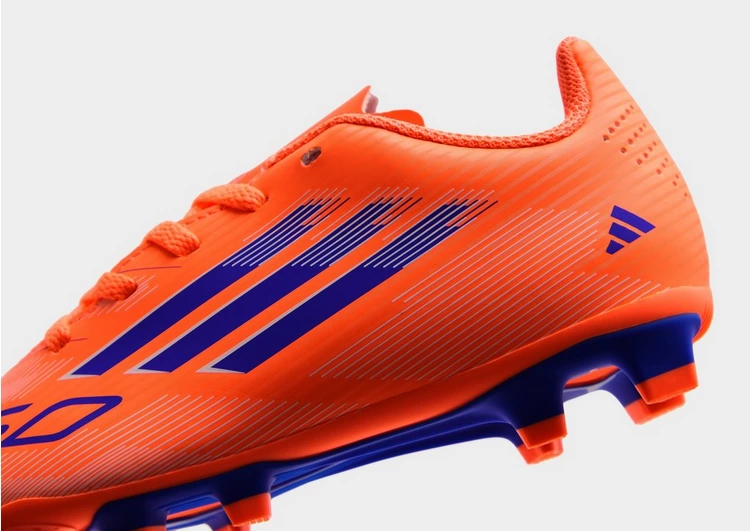
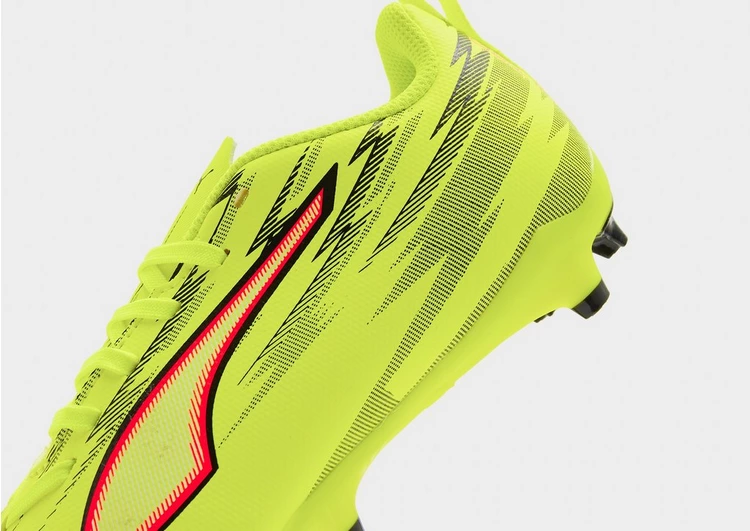
Shop our full collection of kids’ football boots below.


